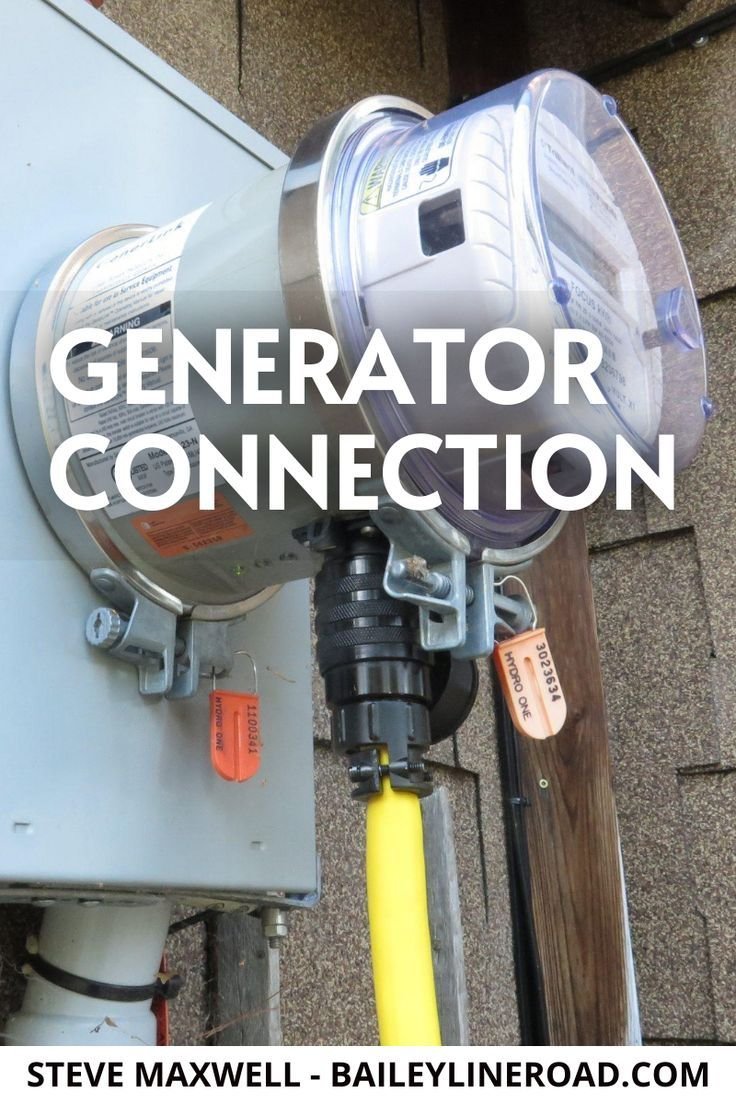
When the lights go out, a portable generator can be a lifeline, but connecting it to your home's electrical system isn't as simple as plugging it in. In fact, improper connection is incredibly dangerous, posing risks of electrocution to utility workers, damage to your appliances, and even house fires. Understanding the essential equipment for safe generator connection isn't just about convenience; it's about protecting lives and property.
This guide cuts through the complexity, arming you with the knowledge to make smart, safe decisions about generator setup. We’ll explore everything from basic extension cords to permanent whole-home solutions, ensuring you're prepared without cutting corners on safety.
At a Glance: Your Quick Guide to Generator Safety
- Never Backfeed: The primary rule is to physically isolate your home from the utility grid before connecting a generator to prevent dangerous "backfeeding."
- Outdoor Only: Always operate your generator outdoors, at least 20 feet from your home, with exhaust directed away from windows, doors, and vents to avoid carbon monoxide poisoning.
- Ground It: Proper grounding of the generator is non-negotiable, often requiring a dedicated grounding rod.
- Plan Your Power: Calculate your essential wattage needs to avoid overloading the generator.
- Temporary Fix: For individual appliances, use heavy-duty, outdoor-rated extension cords directly from the generator to the appliance, bypassing the main panel.
- Permanent Solutions: For whole-home power, invest in a manual transfer switch or a generator interlock kit, both requiring professional installation.
- Professional Help: Any permanent wiring or modification to your home's electrical system must be performed by a licensed electrician and comply with the National Electrical Code (NEC).
- CO Detectors: Install carbon monoxide detectors inside your home, especially if running a generator.
The Invisible Threat: Why Safe Connection is Non-Negotiable
Connecting a generator might seem straightforward, but a profound danger lurks in improper hookups: backfeeding. This silent threat can turn your well-intentioned power solution into a deadly hazard for others, not to mention your own home.
Understanding Backfeeding: A Deadly Mistake
Imagine your neighborhood loses power. Utility workers are out in the storm, repairing lines that they believe are dead. If you’ve connected your generator directly to your home's main electrical panel without a proper isolation mechanism, your generator's power can flow back onto the utility grid. This is called backfeeding, and it can energize power lines that utility workers assume are safe to touch, leading to severe injury or electrocution.
To prevent this, a physical isolation mechanism is mandatory. This mechanism ensures your house is connected to either the utility grid or the generator, never both simultaneously. It's a simple, non-negotiable rule that saves lives.
The Silent Killer: Carbon Monoxide (CO)
Beyond electrical hazards, generators produce carbon monoxide (CO), an odorless, colorless, and highly toxic gas. Operating a generator indoors, in a garage, or too close to your home can quickly lead to lethal levels of CO accumulation. Even small cracks or open windows can allow deadly CO to seep into your living spaces. This is why understanding crucial carbon monoxide safety protocols is just as vital as electrical safety.
First Steps: Planning Your Emergency Power Strategy
Before you even unbox your generator, a little planning goes a long way toward ensuring safety and effectiveness.
Generator Placement: The 20-Foot Rule
This rule isn't flexible: always operate your portable generator outdoors in a well-ventilated area, at least 20 feet away from your home. The exhaust must be directed away from windows, doors, and any vents (like dryer vents or HVAC intakes) that could draw CO into your house. Position it on a dry, level surface, away from any flammable materials. This strict distance is your primary defense against CO poisoning.
Grounding Your Generator: An Essential Earth Connection
Many portable generators require proper grounding to protect against electrical shock, especially those not equipped with a GFCI (Ground Fault Circuit Interrupter) on all outlets. This often involves connecting the generator to a dedicated grounding electrode system. A common method is to drive an 8-foot long, 5/8-inch diameter copper or copper-clad steel ground rod into the earth near the generator. A heavy-gauge grounding wire then connects the generator's frame to this rod, creating a safe path for fault current. Always consult your generator's manual and local electrical codes for specific grounding requirements.
Calculating Your Power Needs: Watts and Circuits
One of the biggest mistakes generator owners make is underestimating or overloading their unit. You need to calculate the necessary wattage by identifying only your truly essential circuits and appliances. Think refrigerator, a few lights, perhaps a well pump, or a furnace fan.
- List all the appliances you absolutely need.
- Find their starting (surge) wattage and running wattage (usually on a label or in the owner's manual). Starting wattage is often significantly higher for motors (like refrigerators or pumps) and only lasts for a few seconds.
- Add up the running wattage of all items you want to use simultaneously.
- Factor in the highest starting wattage of any single appliance you might cycle on while others are running.
This calculation will help you determine the appropriate generator size, preventing overloads that can damage the generator and the appliances it powers. If you're unsure how to choose the right size, learning more about selecting the right generator for your home can provide valuable guidance.
Option 1: The Quick & Dirty (But Safe!) Temporary Connection
For situations where you only need to power a few critical appliances, the safest and simplest method bypasses your home's main electrical panel entirely. This eliminates the risk of backfeeding without complex installations.
Direct Appliance Connection with Extension Cords
This method involves running individual, heavy-duty extension cords directly from your generator's outlets to the appliances you need to power. This means appliances like your refrigerator, a lamp, or a small heater are directly connected to the generator, never interacting with your home's internal wiring.
Choosing the Right Extension Cords
The quality of your extension cords matters immensely for safety and performance.
- Outdoor-Rated: Cords must be specifically rated for outdoor use, designed to withstand weather conditions.
- Appropriate Wire Gauge: The gauge determines how much current a cord can safely carry. A lower gauge number means a thicker wire and higher amperage capacity. For generators, you typically need 10-gauge cords for longer distances or higher-amperage appliances. A 14-gauge cord is thinner and suitable for lighter loads over shorter distances. Using a cord that's too thin for the load or distance can cause it to overheat, leading to fire hazards or power loss.
- Condition: Always inspect cords for cuts, fraying, exposed wires, or damaged plugs before each use. Discard any damaged cords immediately.
- Length: Use the shortest practical cord length to minimize voltage drop and potential hazards.
Understanding understanding extension cord best practices is key to preventing overloads and electrical fires.
Safe Routing and Sealing
Route extension cords through partially opened windows or doors. Never run cords under rugs, through areas where they could be pinched, or across high-traffic zones where they might be tripped over. After routing, seal any openings around windows or doors to prevent rain, insects, or cold air from entering your home. Never run cords through a garage where carbon monoxide could accumulate.
Option 2: Permanent Solutions for Whole-Home Power
If you plan to power multiple circuits throughout your home, or want a more convenient and robust solution, permanent systems are the way to go. These systems are designed to physically isolate your home from the utility grid, making backfeeding impossible. Crucially, these installations require a licensed electrician and adherence to local codes.
The Gold Standard: Manual Transfer Switch
A manual transfer switch is arguably the safest and most reliable way to connect a generator to your home's electrical system. It's a dedicated device wired directly into your main electrical panel, typically in its own enclosure.
How It Works: Isolation in Action
The core of a manual transfer switch is a mechanical interlock that forces you to choose between two power sources: utility grid or generator. You physically flip a switch or lever that disconnects your home from one source before it can connect to the other. This mechanical interlock ensures that simultaneous connection (and thus backfeeding) is absolutely impossible.
These switches often come with a set number of circuits you can power (e.g., a 10-circuit switch allows you to connect 10 essential circuits from your main panel to the generator). When the power goes out:
- You start your generator outdoors.
- You plug the generator into an exterior power inlet box.
- Inside, you flip the main utility breaker to the "OFF" position on the transfer switch.
- Then, you switch the transfer switch to "GENERATOR" power.
- Finally, you turn on the individual generator-fed circuits you need.
Benefits and Considerations
- Ultimate Safety: The mechanical interlock provides foolproof protection against backfeeding.
- Convenience: Powers specific hardwired circuits directly, avoiding multiple extension cords.
- Flexibility: You choose which essential circuits to power.
- Cost: Generally more expensive than interlock kits due to the dedicated hardware and more extensive wiring.
- Professional Installation: Always required due to direct wiring into the home's electrical system.
The Economical Alternative: Generator Interlock Kit
A generator interlock kit is a more budget-friendly, yet still code-compliant, way to achieve safe generator connection. It's a mechanical device installed directly on your existing main breaker panel.
How It Works: Mechanical Safeguard
The interlock kit is a slide plate or lever that physically prevents two breakers from being "ON" at the same time: your main utility breaker and a dedicated generator breaker.
- A licensed electrician installs the interlock kit on your main panel, along with a dedicated generator breaker and an exterior power inlet box.
- When utility power fails, you start your generator outdoors and connect it to the exterior power inlet box.
- Inside, you first turn your main utility breaker to the "OFF" position.
- The interlock plate then slides over, physically locking the main breaker "OFF."
- Only then can you turn the dedicated generator breaker "ON," feeding power into your panel.
- You then selectively turn on the individual circuit breakers you want to power.
Benefits and Requirements
- Cost-Effective: Typically less expensive than a full transfer switch as it leverages your existing panel.
- Code-Compliant: When properly installed, it meets NEC requirements for safe generator connection.
- Full Panel Access: Allows you to select any circuit in your panel, provided the generator can handle the load.
- Requires Dedicated Breaker: Needs a specific breaker installed in your main panel for the generator input.
- Requires Exterior Power Inlet Box: A heavy-duty, outdoor-rated box to plug in the generator cord.
- Professional Installation: Absolutely essential to ensure correct installation and compliance.
The Vital Link: Power Inlet Box and Heavy-Duty Cords
Both manual transfer switches and interlock kits rely on an outdoor power inlet box. This weatherproof receptacle is permanently wired into your home and provides the connection point for your generator.
You'll need a specific heavy-duty, four-pronged cord to connect your generator to this power inlet box. These cords are designed for higher amperage and have four prongs (two hot, one neutral, one ground) to ensure proper grounding and balanced power distribution for 240-volt systems (common in many homes for appliances like well pumps or central air). Never use a three-pronged adapter or modify these cords; they are essential safety components.
Beyond the Hardware: Essential Safety Practices & Regulations
The right equipment is only half the battle. How you use and maintain it, combined with adhering to regulations, completes the picture of safe generator operation.
Professional Installation: It's the Law (and Smart)
Any permanent modifications to your home's electrical system, including the installation of a manual transfer switch or an interlock kit, require permits and inspections from your local authority. More importantly, they must be performed by a licensed electrician.
Navigating the National Electrical Code (NEC)
These regulations are based on the National Electrical Code (NEC), specifically NFPA 70. The NEC mandates precise standards for wire sizing, grounding, and the secure installation of power inlet boxes and isolation devices. A licensed electrician understands these complex requirements, ensuring:
- Correct Wire Sizing: To prevent overheating and fire.
- Proper Grounding: To protect against electrocution.
- Secure Mounting: Of all components for long-term reliability.
- Compliance: That your system passes inspection, protecting your home insurance and ensuring safety.
Attempting DIY installation of these systems is not only illegal in most places but incredibly dangerous.
Ongoing Generator Safety: A Lifesaving Checklist
Even with the best equipment and professional installation, vigilant attention to safety practices is paramount every time you use your generator. Keeping up with a a thorough generator maintenance checklist can help ensure longevity and safety.
- Ventilation: Reinforcing the 20-Foot Rule: We cannot stress this enough. Every year, people die from carbon monoxide poisoning because they operate generators in enclosed spaces, too close to their homes, or with exhaust directed improperly. Always 20 feet away, always outdoors, always away from openings.
- Compatibility: Matching Power to Needs: Double-check your generator's voltage and amperage ratings. Ensure they match your requirements and that any extension cords or adapters used are properly rated for the load they're carrying.
- Personal Safety Equipment: Have gloves, safety glasses, and hearing protection on hand when operating your generator. Crucially, install carbon monoxide detectors inside your home, especially on every level and near sleeping areas, if you are running a generator. A fire extinguisher and a first aid kit nearby are also wise additions to your preparing for power outages.
- Regular Grounding Checks: If your generator requires an external grounding rod, inspect the connection regularly. Ensure the grounding wire is securely attached to both the generator frame and the ground rod, and that the rod is firmly in the earth.
- Maintenance & Inspection Regimen: Perform a safety inspection at least once a year, or more frequently if your generator sees heavy use. Check all cords and plugs for corrosion, wear, or damage. Test all safety features like GFCI outlets. Keep filters clean and vents clear.
- Weather Precautions: Protect your generator from rain, snow, and extreme temperatures with a weatherproof cover or enclosure specifically designed for generator use. Ensure it's secured firmly in windy conditions. Never operate a generator in flooding conditions or standing water.
- Recognizing Overload Signs: Pay attention to your generator's behavior. Signs of an overloaded generator include the engine struggling, unexpected shutdowns, a loud or strained hum, a burning smell, frequent circuit breaker trips, flickering lights, or inconsistent power output. If you notice these, turn off some devices immediately.
- Proper Battery Disposal: When your generator's battery reaches the end of its life, never throw it in regular trash. Take it to a certified recycling center or hazardous waste facility.
- Powering Sensitive Electronics: For devices like computers, TVs, or medical equipment, consider portable power stations with pure sine wave inverters, which provide cleaner, more stable power. If using a generator, verify it has a pure sine wave output or use a quality surge protector.
Final Thoughts: Empowering Your Preparedness
The thought of losing power can be stressful, but with the right equipment and knowledge, you can approach generator connection with confidence and, most importantly, safety. Whether you opt for simple extension cords for critical appliances or invest in a permanent transfer switch or interlock kit for whole-home power, the principles remain the same: isolate, ventilate, and ground.
Never compromise on safety for convenience. The stakes are too high. Always consult a licensed electrician for any permanent wiring solutions, and diligently follow all manufacturer instructions and local codes. Your preparedness will not only keep your household comfortable but, more importantly, safe during unforeseen outages.
Untuk pemahaman lebih lengkap, baca panduan utama kami: Connecting a generator to your home