Your generator sits quietly, a promise of power when the grid falters. But that promise only holds true if you’ve taken the time to truly understand generator maintenance, storage, and fuel management. Neglect these critical areas, and that beacon of reliability can quickly become a costly, frustrating, or even dangerous paperweight. Whether it's for emergencies, job sites, or off-grid living, getting these practices right isn't just about avoiding a blackout; it's about extending your investment's life, ensuring peak performance, and, most importantly, keeping everyone safe.
Here's how to ensure your generator is always ready to roar to life, offering dependable power the moment you need it.
At a Glance: Key Generator Care Takeaways
- Fuel is Everything: Use the right fuel, store it safely, and keep it impeccably clean to prevent costly engine issues.
- Routine Checks Save the Day: A quick visual inspection before each use can prevent major breakdowns.
- Follow the Schedule: Adhere strictly to manufacturer-recommended maintenance intervals for oil changes, filter replacements, and system checks.
- Don't Overload or Underload: Run your generator at 70-80% of its capacity for optimal efficiency and longevity.
- Batteries Need Love: Inspect, test, and replace your generator's battery regularly, as it’s often the weakest link.
- Safety First, Always: Ensure proper ventilation, use correct cords, and have a fire extinguisher on hand.
- Exercise Your Investment: Run your generator periodically, under a load, to keep its components lubricated and ready.
- Store It Right: Protect your generator from the elements and pests, especially if it's an outdoor unit.
Why Your Generator Deserves TLC: The Unseen Benefits
Think of your generator not just as a machine, but as an insurance policy. Like any policy, it needs regular premiums paid in the form of diligent care. Investing time in proper maintenance, smart storage, and meticulous fuel management directly translates into improved safety, greater operational efficiency, significantly reduced downtime, and far fewer unexpected repair bills. Ultimately, it’s how you maximize its lifespan and ensure it’s there for you, without fail, for years to come.
Fueling Your Lifeline: Quality, Storage, and Handling Secrets
The type and quality of fuel you use are paramount to your generator’s health, arguably more so than any other factor. Much like a finely tuned athlete needs the right nutrition, your generator thrives on clean, stable fuel.
The Right Fuel, Always
Always stick to the manufacturer's specified fuel type. Using an incorrect octane or grade can lead to inefficient combustion, premature wear, and costly engine damage. Quality fuel is the first line of defense against problems.
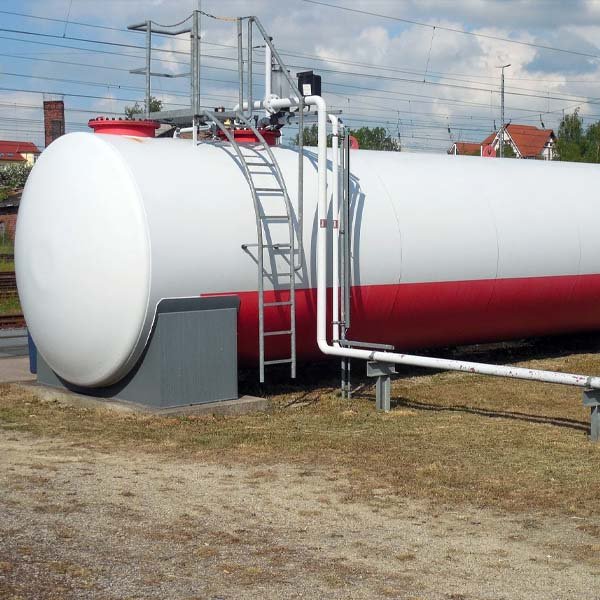
Safe Fuel Storage: Your Generator's Best Friend
Storing fuel isn't just about having it on hand; it's about doing so safely and intelligently.
- Approved Containers: Only use portable fuel containers approved for gasoline or diesel. These are designed to minimize spills and safely vent pressure.
- Location, Location, Location: Store fuel in a well-ventilated area, far from your generator and any ignition sources (pilot lights, water heaters, etc.). Keeping it secured from extreme temperatures—both hot and cold—will prevent degradation and volatility issues.
- Inspect and Replace: Regularly check your fuel containers for any signs of damage, cracks, or leaks. A compromised container isn't just a fire hazard; it can expose fuel to contaminants. Replace them if you spot any issues.
- Expiration Dates Matter: Fuel doesn't last forever. Gasoline typically degrades within 3-6 months, while diesel can last 6-12 months. Use fuel stabilizers to extend shelf life, but always rotate your stock.
The Delicate Art of Refueling
Refueling a hot generator is a serious fire hazard. Always turn off and cool your generator completely before attempting to refuel. Wear appropriate personal protective equipment (PPE), including gloves and eye protection, to guard against spills and fumes. Pour carefully and avoid overfilling, which can lead to spills and dangerous vapors.
Keeping Fuel Tanks Pristine
Your generator's internal fuel tank needs just as much attention as your external storage.
- Venting and Seals: Ensure your fuel tank has proper venting to prevent a vacuum or pressure buildup, and strong, intact seals to prevent leaks and contamination.
- Clean and Dry: Keep the fuel tank clean and dry to prevent the accumulation of water, debris, or sediment, which can clog filters and injectors.
- Test and Treat: Regularly test your fuel for contaminants, especially water, which is a common culprit for generator issues. Treat fuel to prevent microbial growth (algae, bacteria), which can thrive in diesel fuel and wreak havoc on your system.
- Tank Cleaning: Schedule periodic fuel tank cleaning to remove sediment buildup, which can become significant over time and impact performance.
The Heart of the Machine: Essential Maintenance & Inspection Rituals
Regular maintenance is the bedrock of generator reliability. It’s about proactive care, catching small issues before they snowball into expensive repairs.
The Pre-Flight Check: Visual Inspections
Before each operational session, take a few minutes for a visual inspection. This quick scan can reveal a lot:
- Fluid Leaks: Check for any signs of oil or coolant leaks on and around the generator.
- Belts and Hoses: Look for worn, frayed, cracked, or loose belts. Inspect hoses for bulges, leaks, or soft spots.
- Electrical Connections: Check for corroded battery terminals, loose wires, or damaged insulation.
- General Debris: Ensure no obstructions are blocking air intake or exhaust vents.
The Lifeblood: Oil Changes
Engine oil is critical for lubrication and cooling. Adhere strictly to your manufacturer's guidelines for oil type and replacement intervals, typically based on hours of use. Using the recommended oil and changing it on schedule prevents excessive wear on moving parts. You can monitor fuel consumption more closely if you're tracking other metrics, which can sometimes hint at engine efficiency issues that might also relate to oil degradation.
Filtering Out Trouble: Fuel and Air Filters
Filters are your generator’s immune system.
- Fuel Filters: Use high-quality fuel filters and replace them regularly—typically every 200-250 hours of operation or annually. Dirty fuel filters restrict fuel flow, strain the fuel pump, and can lead to engine stuttering or failure.
- Air Filters: Inspect air filters monthly, especially in dusty environments, and change them if they appear dirty or clogged. A clean air filter ensures proper airflow for combustion and prevents abrasive particles from entering the engine.
- Engine Carbon Deposits: Over time, carbon deposits can accumulate in the engine, affecting performance. Consult your manual for recommended methods of removal or professional cleaning schedules.
Belts, Hoses, and Exhaust: The Support Crew
- Belts: Check belts for cracks, fraying, or excessive slack. A failing belt can lead to overheating (if it drives the fan or water pump) or charging issues. Replace as necessary.
- Hoses: Inspect hoses for bulges, leaks, or soft spots that indicate impending failure. Coolant hoses, in particular, are vital for preventing overheating. Replace any questionable hoses.
- Exhaust System: Periodically inspect the exhaust system for blockages (like bird nests or rodent activity) or leaks. Ensure all components, including the muffler, are intact and securely mounted. A leaky exhaust is a carbon monoxide hazard.
Cooling System and Crankcase Breather
- Cooling System: Annually, flush and refill your generator's cooling system with the manufacturer-specified coolant. This prevents corrosion and ensures optimal temperature regulation. Maintain proper coolant levels to prevent overheating, which is one of the quickest ways to damage an engine.
- Crankcase Breather: The crankcase breather helps vent pressure from the engine. Clean it annually to prevent blockages that can lead to oil leaks or engine damage.
Keeping the Power On: Battery Health Matters
Your generator's battery is often the most overlooked component, yet it's absolutely essential for startup. A dead battery means a dead generator, regardless of how well everything else is maintained.
- Inspect and Test Monthly: Check battery terminals monthly for corrosion, and ensure connections are clean and tight. Use a multimeter or a specialized battery tester to check the charge and voltage.
- Maintain Charge: If your generator doesn't have an automatic charger, ensure the battery is kept charged, especially during long periods of inactivity. A trickle charger can be invaluable here.
- Replace on Schedule: Most generator batteries have a lifespan of 2-3 years. Don't wait for it to fail; replace it proactively, or sooner if voltage drops significantly or it struggles to hold a charge.
Smart Power Delivery: Mastering Load Management
Running a generator isn't just about turning it on; it's about operating it efficiently and safely. Load management is crucial for both performance and longevity.
- The Sweet Spot: Aim to run your generator at its optimal capacity, typically 70-80% of its maximum rated load. This is where most generators are most fuel-efficient and experience the least wear.
- Avoid Overloading: Overloading a generator causes it to work too hard, leading to overheating, potential damage to internal components, and premature failure. It can also trip breakers, causing frustrating power interruptions.
- Beware of Underloading/Idle Running: Conversely, running a generator at minimal loads or letting it idle for extended periods can cause "wet stacking." This is when unburnt fuel, carbon, and oil accumulate in the exhaust system, reducing efficiency and potentially causing damage.
- Utilize Load Management Systems: For larger or more complex setups, consider load management systems. These intelligently distribute power, preventing overloads and optimizing power demand across connected appliances or circuits.
- Right-Sizing Your Generator: A common mistake is buying an oversized generator, which often leads to underloading. Calculate your typical power needs to choose a unit that can comfortably operate within that 70-80% sweet spot. Understanding how to hook up a generator properly also involves understanding your power requirements.
Safety First, Always: Operating Your Generator with Care
Operating a generator involves inherent risks, primarily from carbon monoxide poisoning and electrical hazards. Prioritizing safety is non-negotiable.
- Ventilation is Vital: Generators produce carbon monoxide, a colorless, odorless, and deadly gas. ALWAYS operate generators in well-ventilated outdoor areas, far from windows, doors, and vents that could allow fumes to enter occupied buildings. Never run one in a garage or enclosed space.
- Proper Cords and Connections: Use heavy-duty, outdoor-rated extension cords that are properly sized for the electrical load. Never "backfeed" power into your home's electrical system without a professionally installed transfer switch, as this can electrocute utility workers.
- Fire Extinguisher Ready: Keep a suitable fire extinguisher (rated for electrical and fuel fires, typically a Class B-C extinguisher) readily accessible whenever the generator is in use or being refueled.
- Operator Training: Ensure anyone operating the generator is properly trained on its safe startup, shutdown, refueling procedures, and emergency protocols.
Beyond the Basics: Monitoring, Usage, and Performance Hacks
Smart generator owners don't just maintain their machines; they monitor and optimize their usage for peak performance and economy.
- Periodic Exercise: Even if you don't use your generator often, it needs to be run periodically. Start it up (e.g., daily for 15-30 minutes) under a load to lubricate internal components, circulate fluids, and verify good working condition. This also burns off any stale fuel in the carburetor if it's a gasoline unit.
- Fuel Management Systems: For commercial or frequently used generators, consider fuel management systems. These provide data-driven insights into fuel levels, consumption rates, and performance, allowing for optimized refueling schedules and proactive maintenance.
- Automatic Start/Stop Systems: If your generator is part of a standby power system, automatic start/stop systems are invaluable. They ensure the generator only runs when needed, conserving fuel and reducing wear.
- Control Panel Insights: Regularly check your generator's control panel. It's designed to provide crucial system status updates, error codes, alarms, and gauge readings (oil pressure, temperature, voltage). Understanding these indicators can help diagnose problems early.
- Track Fuel Costs: Keep a log of fuel purchases and usage. Tracking fuel costs and consumption provides accountability and helps monitor trends, which can highlight efficiency issues or suggest changes in operational practices. For businesses, allocating costs to specific projects or departments can improve budgeting.
Your Generator's Lifespan in a Calendar: A Scheduled Maintenance Plan
Consistency is key. Here's a general schedule, but always refer to your generator's specific owner's manual for precise intervals. Shorten intervals for heavy-use or critical equipment.
Daily Rituals (or Before/After Each Use)
- Run the generator under a load for 15–30 minutes (if not in continuous use).
- Check engine oil, coolant, and fuel levels.
- Perform a brief visual inspection for leaks, loose connections, or obstructions.
Monthly Meticulousness
- Inspect the battery and electrical connections for corrosion or looseness.
- Check the air filter and clean intake vents.
- Review the control panel for any logged error messages or alarms.
- Ensure fuel levels are adequate for potential needs and check for any signs of water or debris.
Quarterly Tune-Ups (Every 100-250 Hours, Consult Manual)
- Change the engine oil and replace the oil filter.
- Inspect belts for cracks or fraying, and hoses for bulges or leaks.
- Check the coolant system for proper levels and condition.
- Test fuel quality for contaminants and microbial growth; treat if necessary.
Annual Deep Dives (Every 200-500 Hours, Consult Manual)
- Replace the fuel filter and air filter.
- Clean the crankcase breather.
- Flush and refill the cooling system.
- Inspect the entire exhaust system, including the muffler, for leaks or blockages.
- Perform a load bank test: This is especially crucial for standby units. It forces the generator to run at its rated capacity, ensuring all components are working correctly under stress, burning off wet stacking, and verifying voltage regulation.
Diesel vs. Natural Gas: Maintenance Nuances
While the core principles of generator maintenance apply universally, specific fuel types have their own considerations.
- Diesel Generators: Known for their robust nature and longevity, diesel generators often require more frequent fuel treatment to prevent sludge and microbial growth, especially if fuel sits for extended periods. They may also necessitate more frequent oil changes compared to natural gas units, depending on their design and duty cycle. Their sturdy construction often translates to a longer lifespan with proper care.
- Natural Gas Generators: These are typically cleaner-burning, which results in less carbon buildup and often allows for fewer oil changes. However, natural gas units may require more attention to ignition components (spark plugs, coils) due to the nature of their combustion system. Their constant fuel supply via a utility line eliminates the need for on-site fuel storage and handling.
Don't Trip Up: Common & Costly Generator Mistakes to Dodge
Avoid these pitfalls that can quickly turn your reliable generator into a headache:
- Ignoring the Maintenance Schedule: This is the most common and damaging mistake. Skipping oil changes, filter replacements, or basic inspections leads to premature wear and catastrophic failures.
- Skipping Load Testing: Especially for standby units, failing to perform annual load bank tests can mean your generator is unable to handle a real-world outage when it matters most.
- Neglecting Batteries: A dead battery is the silent killer of generator reliability. Don't forget monthly checks and timely replacement.
- Improper Storage: Leaving generators exposed to the elements without protection (water, extreme temperatures, direct sunlight) or failing to secure them from pests can lead to corrosion, electrical damage, or blockages.
- Using the Wrong Parts or Fluids: Always use manufacturer-approved components, oils, and coolants. Generic or incorrect parts can compromise performance and potentially void warranties.
The Bottom Line: Power When You Need It
Your generator isn't just a machine; it's a vital part of your preparedness plan, your business continuity, or your comfortable lifestyle. By embracing meticulous generator maintenance, strategic storage, and diligent fuel management, you're not just preventing breakdowns—you're securing peace of mind. Treat your generator like the critical asset it is, and it will unfailingly deliver power when you need it most.