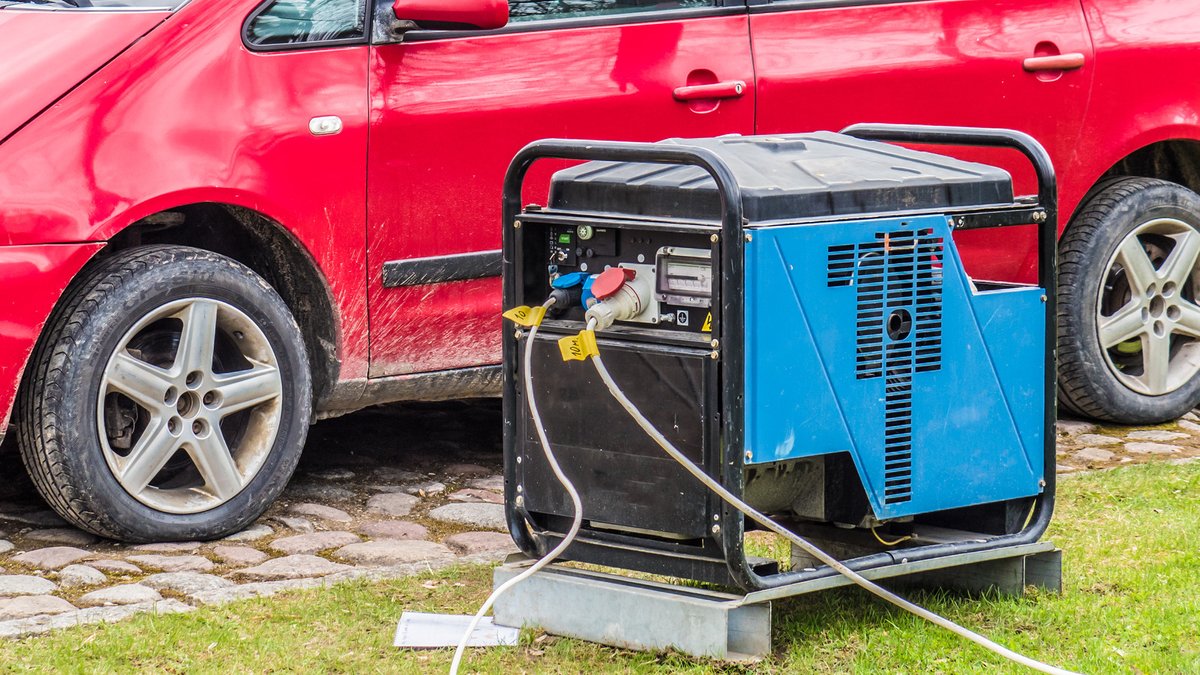
Power outages are more than just an inconvenience; they can disrupt daily life, impact comfort, and even pose safety risks if essential services like medical equipment or refrigeration cease to function. Having a generator provides a crucial lifeline during these times, ensuring your home remains powered when the grid goes dark. However, connecting a generator to your home’s electrical system isn't as simple as plugging it in. Doing it incorrectly can be incredibly dangerous, risking electrocution, fire, and deadly carbon monoxide poisoning, not to mention potential damage to your home and the electrical grid itself.
This comprehensive guide is designed to empower you with the knowledge to safely and effectively integrate a generator into your home's power strategy. We'll walk you through the critical considerations, essential equipment, and step-by-step processes, always emphasizing safety and compliance with local regulations. Our goal is to ensure you can confidently restore power, keeping your family safe and comfortable during any outage.
Understanding the Heart of Your Backup Power Plan
Before you even think about cables and connections, it's vital to grasp the bigger picture of generator types and how they fit into your needs. From portable units ideal for essential appliances to more robust standby systems, each has its unique applications and requirements. To truly tailor your backup power solution, you'll want to explore the nuances of different models and what makes them suitable for various situations. Learn more about making the right choice for your household by reading our detailed guide on Understanding Generator Types & Applications.
Sizing Your Generator for Reliable Home Power
One of the most common pitfalls homeowners face is selecting a generator that's either too small or unnecessarily large for their needs. An undersized generator won't be able to power your essential appliances, while an oversized one can be a waste of money and fuel. The key is to identify exactly what you need to keep running during an outage. Think about critical items like lighting, medical equipment, refrigerators, and potentially a TV or fan for comfort. High-power appliances like stoves, central air conditioning, or electric water heaters often exceed the capacity of typical portable generators.
Start by listing all the devices you plan to power and their wattage requirements. For instance, a microwave might draw 1500 watts, while a refrigerator could require 1200-1500 watts (with a higher starting wattage). Knowing these numbers will help you choose a generator with sufficient starting and running wattage. This careful calculation ensures you get reliable power without overloading your unit or wasting resources. Dive deeper into determining your specific power needs and selecting the perfect generator size for your home with our dedicated article on Generator Sizing and Home Power.
Essential Equipment and Safety Practices for Generator Connection
Safety isn't just a recommendation; it's a non-negotiable requirement when dealing with generators. The risks of improper setup include carbon monoxide poisoning, electrocution, and fire. To mitigate these dangers, certain pieces of equipment and strict adherence to safety protocols are absolutely critical.
Preventing Carbon Monoxide Poisoning
Never operate a generator inside your home, an attached garage, or even close to windows and doors. The exhaust contains deadly carbon monoxide, an odorless, colorless gas that can be fatal. Always place your generator at least 10 feet (3 meters) away from your home, on a level, stable surface, with the exhaust pointed away from any openings. Installing carbon monoxide detectors indoors is also a vital backup safety measure.
Safe Connection Methods: Transfer Switches vs. Interlock Kits
Connecting a generator directly to a standard wall outlet (known as "backfeeding") is extremely dangerous and illegal. It can send electricity back into the utility lines, potentially electrocuting utility workers or neighbors and damaging your generator or home's electrical system. Instead, you need a safe and approved method to isolate your home from the utility grid while powering it with your generator.
- Transfer Switch: This is generally considered the safest and most compliant option. A transfer switch is installed between your electrical panel and a power inlet, providing a clear separation between utility power and generator power. It allows you to safely switch between sources without any risk of backfeeding. Often, a transfer switch comes with preselected circuits, simplifying operation and limiting overload risks. Professional installation is typically required.
- Mechanical Interlock Kit: Installed directly in your electrical panel, an interlock kit is a mechanical device that physically prevents the main utility breaker and the generator breaker from being on at the same time. This ensures only one power source can feed your home at any given moment. While generally lower in cost, interlock kits require careful manual monitoring to prevent overload and demand utmost care and correctness in installation. They must also be specifically approved for your existing breaker box, and their use can be unsafe or even illegal in some areas without proper permits and inspection.
The Importance of a Power Inlet Box
A power inlet box provides a safe, exterior connection point for your generator's power cord. It features a recessed male connector, offering better weather protection. This box should be positioned for easy access from your generator and ideally close to your electrical panel to simplify wiring. Like transfer switches, a power inlet box requires professional installation to ensure safety, code compliance, and insurance validity.
Understanding and implementing these safety measures and using the right equipment are paramount. To dive deeper into the specific tools and practices that ensure a safe generator connection, check out our guide on Essential generator safety equipment.
The Generator Installation Process: What to Expect
Connecting a generator system to your house is a significant electrical undertaking that typically requires professional expertise. Local regulations are incredibly strict regarding electrical work, permits, and inspections, all designed to protect your safety and property. Before any installation begins, you must contact your local Department of Labor and Industries, Planning Department, or Power Company to understand specific regulations, necessary permits, and approved wiring systems in your area. Failure to do so can result in fines, safety hazards, and invalidate your home insurance.
For a transfer switch system, the installation process usually involves several key steps, ideally performed by a licensed electrician:
- Disconnecting Utility Power: This critical first step often requires coordination with your local utility company to temporarily shut off power to your panel and remove the meter, ensuring a completely safe working environment.
- Mounting the Transfer Switch: The transfer switch is physically mounted on a board or directly on the wall near your existing electrical panel.
- Wiring the Transfer Switch to the Electrical Panel: Flexible conduit is run, and individual circuits from your main panel (the ones you've chosen to power during an outage) are carefully connected to the transfer switch.
- Installing the Power Inlet Box: The power inlet box is mounted on your home's exterior, and conduit is run to connect it securely to the transfer switch.
- System Testing: Once all connections are made, the entire system is thoroughly tested for proper operation before utility power is reconnected. A professional inspection is essential, especially if you lack extensive electrical experience, to guarantee family safety and ensure your insurance remains valid.
Embarking on this journey to Install your generator now Generator installation is a serious undertaking that deserves careful planning and, in most cases, expert hands.
Operating Your Generator Safely During an Outage
Once your generator system is properly installed, knowing how to operate it safely and efficiently during an actual power outage is crucial. This isn't just about flipping switches; it involves a sequence of steps designed to protect you, your home, and the generator itself.
Here's a general sequence for safe operation:
- Placement First: Ensure your generator is positioned at least 10 feet (3 meters) away from your home, with exhaust pointed away from all windows and doors.
- Connect the Power Cord: Use the appropriate heavy-duty power cord to connect your generator to the exterior power inlet box. Never plug it directly into a wall outlet or any home wiring.
- Prepare the Generator: Check the engine's oil level and add as needed, following your user manual. If temperatures are below freezing, preheating might be required.
- Unplug & Turn Off Appliances: Before starting the generator, ensure all appliances you intend to power are unplugged and turned off. This prevents an initial surge that could damage them or overload the generator.
- Start and Warm Up: Start the generator according to the manufacturer's instructions. Let it run for approximately 5 minutes to warm up before applying any load. Remember, never start or stop the generator with devices plugged directly into its outlets.
- Switch Power Sources (Transfer Switch): At your main electrical panel, flip off the utility main breaker. Then, turn on the generator main breaker on your transfer switch. Slowly flip the individual circuit breakers on the installed system one by one to power your selected loads.
- Monitor Load (Mechanical Interlock): If you're using a mechanical interlock system, activate the generator breaker after turning off the utility main. Monitor the load closely, starting with essential appliances and gradually adding others to prevent overload. Always know your generator's load capacity and emergency shutdown procedures.
Returning to Utility Power
When grid power is restored, reversing the process correctly is just as important:
- Turn Off Individual Circuits: Flip all individual circuit breakers that were powered by the generator to the "OFF" position.
- Shut Down Generator: Turn off the generator using its switch or key. Always turn off and unplug any appliances powered by the generator before shutting it off.
- Restore Utility Power: At your main electrical panel, turn off the generator main breaker, then turn on the utility main breaker.
For a comprehensive walkthrough of these steps and crucial electrical safety practices, refer to our detailed guide on Safe Generator Operation and Electrical.
Maintaining Your Generator for Long-Term Readiness
A generator is an investment in peace of mind, but only if it's ready when you need it most. Regular maintenance is crucial to ensure your unit starts reliably and runs efficiently. This includes performing oil changes and checking/replacing air filters as recommended by the manufacturer. Testing your generator monthly by letting it run for a short period under a light load will confirm it's in working order. Additionally, double-check all connections between the generator, power inlet box, and transfer switch, and inspect/clean spark plugs. Keeping spare parts like oil filters, spark plugs, and fresh fuel on hand is also a smart preparedness strategy.
Your Home, Powered and Protected
Hooking up a generator to your house safely is a multi-faceted process that demands attention to detail, adherence to safety protocols, and often, professional assistance. By understanding the different connection methods, carefully sizing your unit, prioritizing safety equipment, and following correct operating procedures, you're not just buying a piece of equipment—you're investing in your family's safety and comfort during unexpected outages. Being prepared means having peace of mind, knowing that when the lights go out, your home can stay powered.