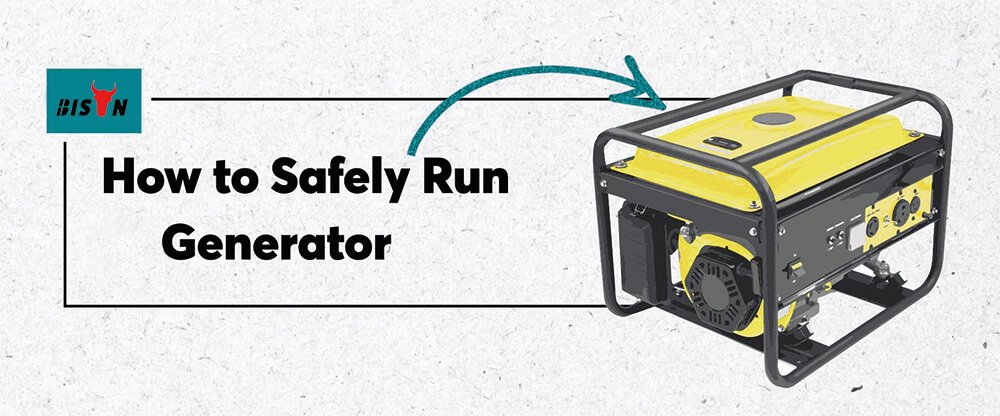
When the lights go out, a generator can feel like a superhero, swooping in to restore comfort and critical functions. But like any powerful tool, generators demand respect and strict adherence to safety protocols. Mastering Safe Generator Operation and Electrical Practices isn't just about convenience; it's about protecting your home, your loved ones, and even utility workers from potentially fatal hazards. This isn't a complex science; it's a series of clear, actionable steps that can make all the difference when the grid goes dark.
At a Glance: Generator Safety Essentials
- Outdoor Only: Always operate generators outdoors, at least 20 feet from your home, doors, windows, and vents.
- CO Alarms: Install carbon monoxide detectors on every level and outside sleeping areas.
- Transfer Switch: Never plug a generator directly into your home's main panel without a professionally installed transfer switch to prevent dangerous backfeeding.
- Heavy-Duty Cords: Use appropriate, grounded, outdoor-rated extension cords; inspect them regularly.
- Stay Dry: Keep generators dry. Never operate in rain or wet conditions without proper, open-air protection.
- Cool Fueling: Refuel only when the generator is off and cool, in a well-ventilated area.
- Proper Storage: Store fuel in approved containers, away from living spaces and heat sources.
- No Overload: Avoid overloading your generator. Match its capacity to your power needs.
- Regular Maintenance: Follow the manufacturer's maintenance schedule for safe and efficient operation.
The Silent Killer: Carbon Monoxide (CO) Poisoning Prevention
Imagine a gas that you can't see, smell, or taste, yet it can steal your breath and your life in minutes. That's carbon monoxide (CO), a byproduct of burning fuels like gasoline, propane, natural gas, or charcoal. Generators produce high levels of CO, making it the most critical safety concern.
Why Outdoors, Always Outdoors?
This isn't a suggestion; it's an absolute rule: Generators must always be placed outdoors. No exceptions. That means absolutely no garages (even with the door open), basements, carports, or enclosed sheds. Even if you think you have enough ventilation, it's not enough to disperse the deadly CO fumes.
Your generator needs to be a minimum of 20 feet away from your home, including all doors, windows, and vents. This distance helps ensure that exhaust fumes don't drift back into your living spaces. Consider wind direction and make sure the exhaust is directed away from any occupied buildings. You also need about 3-4 feet of clear space around and above the generator for proper air circulation and to prevent overheating.
Protecting Your Generator from the Elements (Safely)
Rain and moisture are no friends to electrical equipment. If you need to operate your generator in inclement weather, invest in a generator tent or canopy specifically designed for outdoor use. These specialized covers provide protection from rain and snow while maintaining the crucial ventilation required to prevent CO buildup and engine overheating. Never use a tarp draped directly over the generator, which can restrict airflow. And, critically, never operate a generator in standing water or very wet conditions without this type of approved, well-ventilated cover.
Your First Line of Defense: CO Alarms
Even with perfect outdoor placement, CO can still find its way indoors. That's why working carbon monoxide alarms are non-negotiable. Think of them as your personal, invisible fume detectives.
Install CO alarms outside each sleeping area and on every level of your home. Test them regularly, just like your smoke detectors, and replace batteries as recommended. These devices are designed to alert you to dangerous CO levels before symptoms even begin, giving you precious time to react. To learn more about selecting and placing these critical devices, you'll find comprehensive information in our guide on understanding CO alarms and their placement.
Recognizing CO Poisoning Symptoms
CO poisoning symptoms can mimic the flu, often leading to misdiagnosis and delayed action. If you, or anyone in your household, experiences dizziness, headaches, nausea, weakness, tiredness, or confusion while the generator is running, get fresh air immediately. Do not re-enter the affected area. Call 911 for medical attention. Time is critical.
Electrifying Your Backup: Safe Electrical Practices
Connecting your generator to your home's electrical system requires precision and the right equipment. Improper electrical hookups are a leading cause of generator-related injuries and fatalities, particularly from backfeeding.
The Transfer Switch Imperative: Preventing Backfeeding
Backfeeding is perhaps the most dangerous electrical hazard associated with generators. It occurs when generator power flows backward from your home into the utility grid. If a utility line is being repaired and a generator is backfeeding, it can electrocute utility workers who believe the line is de-energized. It can also damage your home's electrical system and potentially start fires.
The only safe way to power your home’s electrical system with a generator is through a transfer switch. A transfer switch, whether manual or automatic, isolates your home from the utility grid, ensuring that you are either receiving power from the utility or from your generator, but never both simultaneously. This prevents backfeeding and protects everyone.
A qualified, licensed electrician must install any transfer switch. This isn't a DIY project. They will ensure it's properly sized and connected to your main electrical panel. For a deeper dive into how these critical devices work and your options, explore the ins and outs of generator transfer switches. If you're considering how to power your entire house, rather than just a few appliances, our Generator to house connection guide offers detailed instructions and safety considerations for this complex process.
The Right Cord for the Job: Extension Cord Safety
For powering individual appliances directly from your generator, extension cords are your connection. But not just any cord will do.
- Heavy-Duty and Grounded: Always use heavy-duty, outdoor-rated extension cords. They should be grounded (three-pronged) and thick enough to handle the wattage of the appliances you're powering without overheating. Check the wire gauge (AWG); lower numbers indicate thicker, more capable wires.
- Inspect Before Use: Before every use, inspect cords for cuts, fraying, exposed wires, or damaged plugs. Damaged cords are fire and shock hazards and should be replaced immediately.
- Appropriate Length: Use the shortest cord possible for your needs to minimize voltage drop and potential overheating, but always long enough to maintain the 20-foot separation from your home.
- Avoid Overloading Cords: Don't plug multiple high-wattage appliances into a single extension cord or power strip, as this can overload the cord and lead to fires.
- GFCI Protection: Utilize extension cords with built-in Ground Fault Circuit Interrupter (GFCI) protection, or plug your generator into a GFCI-protected outlet if available. GFCIs detect ground faults and quickly shut off power, greatly reducing the risk of electrocution.
- Keep Them Dry: Never run extension cords through water or place them where they can be submerged. Keep connections dry.
For more specifics on choosing the right cord and best practices, check out our tips for choosing and using extension cords safely.
Powering Up and Down: Sequence Matters
Always follow the correct startup and shutdown sequence to protect both your generator and your appliances:
- Start Unloaded: Ensure all appliances are unplugged from the generator, or your transfer switch is in the "utility" position, before starting the generator.
- Start Generator: Start the generator according to the manufacturer's instructions. Let it warm up for a few minutes.
- Connect Loads: Once the generator is running smoothly, you can begin to plug in appliances or switch your transfer switch to "generator" power, adding loads gradually.
- Shut Down Unloaded: Before turning off the generator, unplug all appliances or switch your transfer switch back to "utility" power. Let the generator run for a few minutes with no load to cool down before shutting it off.
Don't Overload Your Powerhouse
Every generator has a rated wattage. Exceeding this capacity will overload the engine, potentially damaging the generator itself, connected appliances, and creating a fire hazard. Calculate the total wattage of the items you plan to power simultaneously. For starting large motor-driven appliances (like refrigerators), remember to account for their higher "starting wattage" or "surge wattage," which can be 2-3 times their running wattage. It's always better to have a generator with a little extra capacity than to constantly run it at its absolute limit. If you're unsure how to pick the right generator size and type for your needs, consulting an expert is always a smart move.
Fueling Your Lifeline: Fire and Explosion Prevention
Generators run on highly flammable fuels. Handling these fuels improperly is a significant fire and explosion risk.
Refueling: Cool, Off, and Clear
The golden rule of refueling: Always refuel when the generator is cool and turned off. Hot engine parts, like the muffler or exhaust manifold, can easily ignite fuel vapors or spilled fuel, leading to a flash fire or explosion.
- Shut Down and Cool: Turn off the generator and allow it to cool down completely for at least 10-15 minutes before attempting to refuel.
- Ventilated Area: Refuel in a well-ventilated outdoor area, away from any ignition sources like pilot lights, open flames, sparks, or anything that could create a static discharge.
- Wipe Spills: Immediately wipe up any spilled fuel with a rag and dispose of the rag properly. Ensure the area is completely dry before restarting the generator.
- No Smoking: Absolutely no smoking while refueling or handling fuel.
Safe Fuel Storage
Fuel isn't something you can just stash anywhere. Proper storage is crucial for safety.
- Approved Containers: Store gasoline, propane, or other fuels only in approved, labeled containers designed for that specific fuel type. These containers are built to prevent leaks and safely contain vapors.
- Away from Heat and Sparks: Keep fuel containers far away from heat sources, direct sunlight, sparks, pilot lights, and any other potential ignition sources.
- Outdoor, Ventilated Storage: Store fuel in a cool, dry, well-ventilated area, outside of your living spaces. A detached shed or garage is acceptable, provided it's well-ventilated and the fuel is kept separate from the generator itself. Never store fuel indoors, in a basement, or near a furnace.
- Childproof: Ensure fuel containers are kept out of reach of children and pets.
- Rotate Fuel: Gasoline can degrade over time, especially if not treated with a fuel stabilizer. Use older fuel first and rotate your stock.
Using the Correct Fuel Type
Always use the specific fuel type recommended in your generator's owner's manual. Using the wrong fuel can damage the engine, void your warranty, and create safety hazards. Never mix different fuel types. For instance, putting diesel in a gasoline generator (or vice-versa) will cause serious damage.
Keeping the Engine Healthy: Mechanical Safety and Maintenance
Generators are complex machines with moving parts that demand respect. Regular care not only extends their life but ensures they operate safely when you need them most.
Mind the Moving Parts
While a generator is running, keep a safe distance. The engine has hot surfaces and rapidly moving components that can cause severe burns or entanglement injuries.
- Appropriate Attire: Avoid wearing loose clothing, dangling jewelry, or having long, untied hair when operating or working near a generator. These items can easily get caught in pulleys, belts, or fans.
- Children and Pets: Keep children and pets away from the generator at all times. They might not understand the dangers of hot surfaces or moving parts.
The Power of Prevention: Regular Maintenance
Just like your car, your generator needs consistent care. Neglecting maintenance can lead to breakdowns, inefficient operation, and increased safety risks.
- Pre-Use Checks: Before each use, perform a quick visual inspection:
- Check oil levels and add oil if necessary (using the type specified by the manufacturer).
- Inspect fuel lines and the fuel tank for leaks or cracks.
- Examine the air filter for dirt and debris.
- Look for frayed or damaged electrical wires, especially on the generator's outlets and any connected cords.
- Ensure all guards and covers are securely in place.
- Follow the Schedule: Adhere strictly to the manufacturer's recommended maintenance schedule. This typically includes:
- Changing the oil and oil filter after a certain number of hours or annually.
- Inspecting and replacing the spark plug.
- Cleaning or replacing the air filter.
- Checking and adjusting valve clearances (often by a professional).
- Inspecting and tightening connections.
- Cleanliness: Keep the generator clean and free of dirt, debris, and animal nests. A clean engine runs cooler and reduces fire risk.
- Storage Preparation: If storing your generator for an extended period, follow the manufacturer's instructions for long-term storage, which often involves fuel stabilization or draining the fuel tank, and changing the oil.
For a more comprehensive guide to keeping your generator in top shape, consult our a detailed generator maintenance checklist.
Beyond the Basics: Preparing for the Unexpected
True readiness extends beyond just knowing how to operate your generator. It involves planning and preparation.
Test Your Generator Regularly
Don't wait for a power outage to discover your generator isn't working. Start your generator every month or every few months and let it run for 15-30 minutes under a small load (like a couple of light bulbs) to ensure it's in good working order. This keeps the engine components lubricated and helps cycle the fuel.
Develop an Emergency Plan
Discuss with your household who will be responsible for generator operation during an outage. Ensure everyone knows the generator's location, how to shut it off in an emergency, and the symptoms of CO poisoning. Keep essential items like extra fuel, a fire extinguisher, flashlights, and a first-aid kit readily accessible.
Your Power Playbook: Staying Safe and Sound
When the grid fails, a generator can be a true lifeline, offering comfort, safety, and continuity. But this powerful tool comes with significant responsibilities. By adhering to these Safe Generator Operation and Electrical Practices, you're not just following rules; you're actively safeguarding your home and everyone in it. From the crucial outdoor placement and vigilant CO monitoring to careful electrical connections and diligent maintenance, each step builds a layer of protection. Stay informed, stay prepared, and power through any outage with confidence and, most importantly, safety.