Imagine the lights flickering, then plunging your home into darkness. The fridge hums to a halt, the AC goes quiet, and your phone battery is draining fast. For many homeowners, this scenario is a harsh reminder of just how dependent we are on reliable power. That's why considering a home generator often moves from a "nice-to-have" to a "must-have." But the journey from contemplating a generator to enjoying seamless power isn't always straightforward. It involves more than just buying a big machine; it's about understanding the intricate steps for a safe, code-compliant, and truly reliable setup.
This guide will walk you through the essential considerations and detailed Step-by-Step Generator Installation Guides you need to know, whether you're handling a small portable unit or investing in a whole-home standby system. We'll demystify the process, highlight critical safety measures, and emphasize why, for most complex installations, a professional touch is not just recommended—it's imperative.
At a Glance: Key Takeaways for Your Generator Project
- Professional Expertise is Key: Standby generators and any direct wiring into your home's electrical system absolutely require licensed professionals.
- Safety First, Always: Improper installation can lead to severe hazards like electrical shock, backfeeding, carbon monoxide poisoning, and fires.
- Permits Are Non-Negotiable: Local permits (electrical, fuel, zoning) ensure your installation meets safety codes and regulations.
- Location, Location, Location: Proper site selection prevents hazards, ensures airflow, and complies with setback requirements.
- Understand Your Needs: Correctly sizing your generator for essential appliances (or your whole home) is crucial for effective power during outages.
- Maintenance Extends Life: Regular servicing keeps your generator ready when you need it most and protects your investment.
Why Your Home Needs a Power Backup Plan
In an increasingly unpredictable world, power outages are more than just an inconvenience; they can disrupt work, compromise food safety, affect medical equipment, and even impact your home's structural integrity if heating or cooling systems fail. A home generator provides the ultimate peace of mind, ensuring your essential systems—or even your entire home—remain operational when the grid goes down.
Choosing Your Power Partner: Generator Types and Fuel Sources
Before diving into installation, you need to select the right generator for your specific needs. This choice profoundly impacts the installation process, especially concerning safety and regulatory compliance. If you're still weighing your options, our guide on choosing the right generator for your home can provide deeper insights.
Portable Generators: Flexible & Accessible Power
Portable generators are often the most affordable entry point into backup power. They're designed for mobility and temporary use, typically powering individual appliances directly via extension cords. Some advanced portable units can connect to a home's electrical panel via a manual transfer switch or power inlet box, allowing them to power select hardwired circuits safely.
- Pros: Lower cost, easy to move, good for specific appliance backup.
- Cons: Manual operation, limited power output, requires constant refueling (gasoline), noise.
- Installation Note: DIY is generally safe for direct appliance connection. For connecting to your home's wiring, a pre-installed manual transfer switch or power inlet is required, often installed by an electrician.
Standby Generators: Seamless, Automatic Power
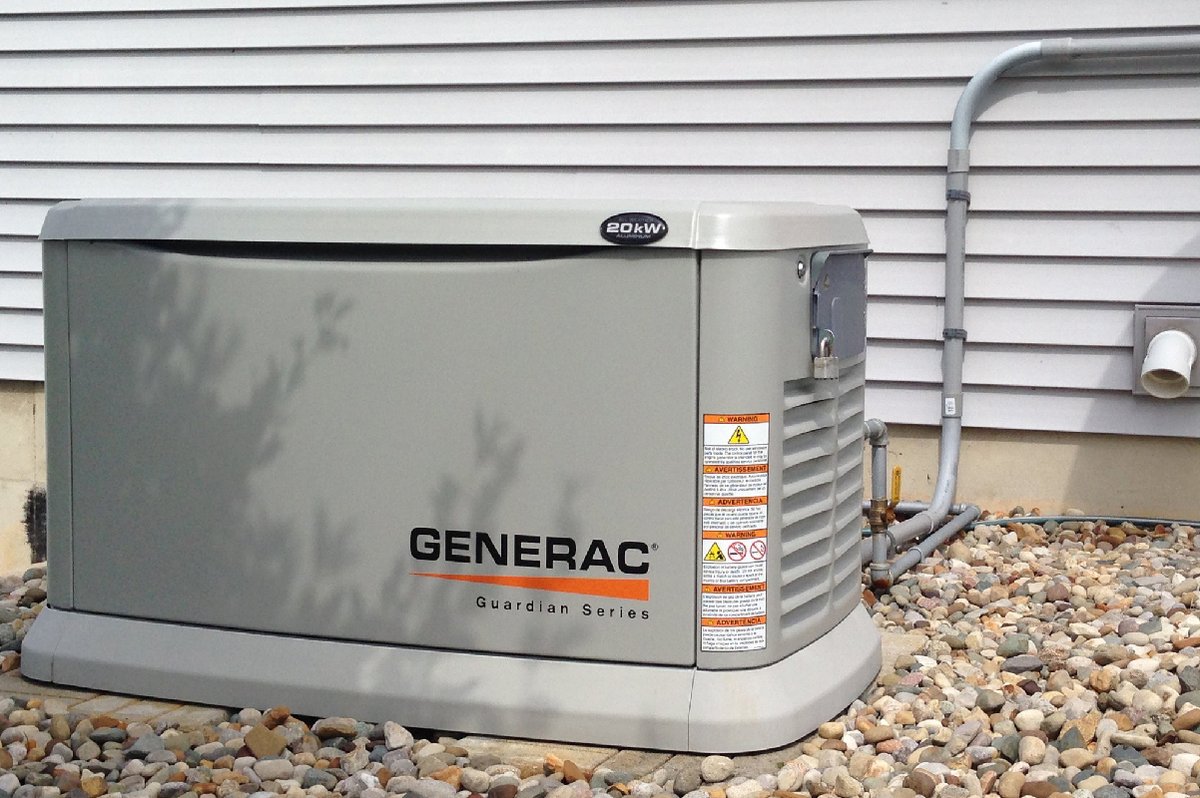
Standby (or "whole-home") generators are permanently installed outside your home, much like an AC unit. They monitor your utility power and automatically kick on within seconds of an outage, then shut off when grid power is restored. This seamless operation makes them ideal for total home backup, critical medical equipment, or simply ultimate convenience.
- Pros: Automatic operation, high power output, permanent fuel connection, quieter than many portables, enhances home value.
- Cons: Higher upfront cost, professional installation required, takes up dedicated outdoor space.
- Installation Note: Standby generators always require professional installation due to complex electrical and fuel system integration.
Understanding Your Fuel Options
The type of fuel your generator uses impacts availability, storage, cost, and environmental considerations:
- Natural Gas: Plugs directly into your home's gas line. Infinite supply during outages (unless municipal gas is affected). Clean-burning, quiet. Requires professional gas line installation.
- Propane: Stored in tanks (portable or stationary). Clean, long shelf life. Tank size determines run time. Requires professional tank installation and connection.
- Diesel: Efficient and durable, often used in larger commercial units. Requires secure, filtered storage tanks. Can be more challenging to start in cold weather without specific treatments.
- Gasoline: Common for portable generators. Readily available but volatile, has a short shelf life, and requires careful storage in approved containers.
Before the First Spade Hits the Ground: Essential Prerequisites
Think of these as your generator's foundation, both literally and figuratively. Skipping these steps can lead to costly errors, safety hazards, and permit nightmares.
1. Assessing Your Power Needs: What Do You Want to Run?
This is perhaps the most critical step in generator selection. You'll need to determine which appliances and systems you deem "essential" during an outage.
- Essential Circuit Coverage: Lights, refrigerator, freezer, well pump, furnace/AC fan, medical equipment, phone chargers.
- Whole-Home Coverage: All of the above, plus oven, dryer, hot water heater, multiple TVs, computers, etc.
To properly size your generator, you'll calculate the starting (surge) wattage and running wattage of all critical appliances that might operate simultaneously. A professional installer will perform a detailed load calculation, often recommending a generator size that accommodates current and potential future needs.
2. Navigating the Permit Maze: Your Ticket to Compliance
Generator installation involves significant changes to your home's electrical and fuel systems. As such, local building departments require permits to ensure the work adheres to strict safety and building codes, including the National Electrical Code (NEC).
- Required Permits: Typically include electrical, fuel (gas or propane), and potentially zoning or HOA approvals.
- Why They Matter: Permits protect you. They ensure the installation is safe, won't create hazards like backfeeding electricity into the utility grid (which can electrocute utility workers), or cause carbon monoxide leaks. They also ensure the system is insurable and won't cause issues if you sell your home.
- Professional Advantage: Licensed installers are intimately familiar with local codes and typically handle the entire permitting process on your behalf, submitting plans and coordinating inspections.
3. Choosing the Perfect Spot: Site Selection & Preparation
Where your generator sits is more than just an aesthetic choice; it's a critical safety and functional decision.
- Safety Clearances: The NEC mandates strict clearances. Generators must typically be at least 5 feet from any doors, windows, or vents of your home or any adjacent structure to prevent dangerous carbon monoxide from entering living spaces. They also require at least 18 inches of clearance from walls or structures for proper airflow and maintenance access.
- Stable & Level Surface: Generators are heavy. They require a stable, level, non-combustible base, usually a concrete pad or a compacted gravel base, to prevent shifting, sinking, and vibration issues.
- Ventilation & Exhaust: Ensure the area allows for ample airflow to prevent overheating and safely disperse exhaust fumes.
- Proximity to Connections: While requiring distance from the home, the site should also be reasonably close to the electrical panel and fuel source to minimize trenching and piping costs.
- Environmental Factors: Consider drainage (avoiding areas prone to flooding), potential for snow accumulation, and accessibility for routine maintenance and refueling (if applicable).
- Noise Considerations: Be mindful of neighbors and your own living spaces. While modern standby generators are quieter, noise levels are still a factor.
The Professional's Playbook: Step-by-Step Standby Generator Installation
For standby generators, this is where professional expertise shines. This multi-stage process integrates a powerful machine into your home's core utility systems. Understanding these steps empowers you to ask informed questions and appreciate the complexity involved in connecting a generator to home safely and effectively.
Step 1: Site Assessment & Permitting (The Foundation)
Before any physical work begins, a licensed professional will conduct a thorough on-site evaluation.
- Electrical Capacity Review: They'll assess your home's existing electrical service, main panel capacity, and wiring to determine if any upgrades are needed to support the generator.
- Fuel Source Analysis: Evaluate existing natural gas lines for capacity or plan for propane tank placement and connection.
- Location Finalization: Confirm the ideal placement based on all safety clearances, local codes, and homeowner preferences.
- Permit Application: The installer handles all necessary permit applications with local authorities, submitting plans and coordinating inspections throughout the process.
Step 2: Site Preparation (Building the Base)
With permits secured and the site confirmed, physical work can begin.
- Ground Leveling: The chosen area is precisely leveled.
- Generator Pad Installation: A sturdy foundation (typically a reinforced concrete pad or an engineered gravel base) is installed. This pad must be perfectly level and large enough to support the generator's weight and absorb vibrations. Proper drainage around the pad is also established to prevent water accumulation.
Step 3: Physical Installation & Positioning (Placing the Powerhouse)
The generator unit itself is heavy and requires specialized equipment to move and set in place.
- Unit Delivery & Placement: The generator is carefully transported to your property and precisely positioned on its prepared pad.
- Anchoring: The unit is securely anchored to its foundation to prevent shifting, especially in areas prone to high winds or seismic activity.
Step 4: Fuel System Setup (The Generator's Lifeblood)
This step involves safely connecting the generator to its permanent fuel source, a task that absolutely requires a licensed plumber or gas fitter.
- Natural Gas Line Installation: If using natural gas, a new gas line is typically run from your home's meter to the generator. This involves trenching, proper pipe sizing, pressure testing, and installing necessary shut-off valves and regulators.
- Propane Tank & Line Connection: For propane, a properly sized and situated tank (either new or existing) is connected to the generator. This includes running lines, installing regulators, and ensuring all connections are leak-free and code-compliant.
- Diesel Tank Setup: Diesel systems involve installing a secure, accessible, and often buried fuel tank with appropriate filtration and delivery systems. Cold climate considerations may include fuel treatments to prevent gelling.
Step 5: Electrical Connection & Transfer Switch Installation (The Heart of the System)
This is the most critical and complex electrical phase, safely integrating the generator into your home's power grid. Only a licensed electrician can perform this work.
- Transfer Switch Installation: A transfer switch is the brain of your generator system. It isolates your home from the utility grid when the generator is running, preventing dangerous "backfeeding."
- Automatic Transfer Switch (ATS): The most common choice for standby generators. It continuously monitors utility power and automatically switches your home's power source between the grid and the generator when an outage occurs.
- Manual Transfer Switch (MTS): Requires you to manually flip a switch to transfer power. While typically used with portable generators, they can be an option for standby units if automatic functionality isn't desired.
- To understand the differences in more detail, see our guide on manual vs. automatic transfer switch.
- Wiring Connection:
- Generator to Transfer Switch: Heavy-gauge electrical conduits and wires are run from the generator to the newly installed transfer switch.
- Transfer Switch to Main Panel: The transfer switch is then wired into your home's main electrical panel. Depending on your setup (whole-home vs. essential circuits), specific circuits are routed through the transfer switch.
- Grounding: The entire system, including the generator unit and the transfer switch, is properly grounded according to NEC standards to prevent electrical shock hazards.
Step 6: System Testing, Commissioning & Final Inspection (Ensuring Reliability)
Once everything is physically connected, the system undergoes rigorous testing.
- Initial Startup: The generator is started for the first time, and initial checks are performed.
- Load Testing: The installer simulates a power outage, allowing the generator to power your home under various loads to ensure it functions correctly, transfers power smoothly, maintains stable voltage, and handles your anticipated power demand. All safety devices and monitoring systems are verified.
- Safety Checks: Comprehensive checks for fuel leaks, proper exhaust routing, and all electrical connections.
- Homeowner Orientation: You'll receive detailed instructions on how your generator operates, what indicator lights mean, basic troubleshooting, and crucial safety procedures.
- Final Inspection: A local building inspector performs a final review of the entire installation to verify compliance with all local and national codes before issuing final approval. This final inspection is the official sign-off that your generator is installed safely and legally.
The DIY Question: When Can You Go It Alone?
While the idea of saving money on installation might be tempting, it's crucial to understand the limitations of DIY generator projects.
- Safe DIY Scope (Portable Generators Only):
- Direct Appliance Connection: Connecting a portable generator directly to individual appliances using heavy-duty, outdoor-rated extension cords (ensuring the generator is outdoors and properly grounded).
- Pre-installed Manual Transfer Switch/Interlock Kit: If you already have a manual transfer switch or interlock kit installed by a licensed electrician, you can safely connect your portable generator to it as per manufacturer instructions. This safely isolates your home from the utility.
- Absolute "No-Go" for DIY (Standby & Permanent Wiring):
- Standby Generators: Never attempt to install a standby generator yourself. The weight, fuel line connections, and complex electrical integration (especially with an automatic transfer switch) are beyond DIY capabilities.
- Modifying Fuel Lines: Any work involving natural gas or propane lines requires a licensed plumber or gas fitter.
- Wiring into Main Electrical Panel: Directly wiring a generator into your main electrical panel without a proper transfer switch or interlock kit creates a deadly "backfeeding" hazard, where electricity flows back onto utility lines, potentially electrocuting utility workers. This is illegal and extremely dangerous.
In summary: If it involves opening your electrical panel, running new fuel lines, or dealing with a heavy, permanently installed unit, always call a licensed professional.
Safety First, Always: Critical Considerations for Generator Owners
Safety isn't just a step in installation; it's an ongoing responsibility for any generator owner.
- Carbon Monoxide (CO) Poisoning: Generators produce carbon monoxide, an odorless, colorless, and deadly gas.
- Operation: ALWAYS operate generators outdoors, far from windows, doors, and vents. Never run a generator in a garage, basement, or any enclosed space.
- Detectors: Install battery-operated or battery-backup CO detectors on every level of your home, especially near sleeping areas.
- Proper Grounding: Ensure your generator is correctly grounded to prevent electrical shock. Portable generators often require a grounding rod. Your professional installer will ensure standby units are grounded to NEC standards.
- Fuel Storage & Handling:
- Gasoline/Diesel: Store in approved, clearly labeled containers in a cool, dry, well-ventilated area away from living spaces and heat sources. Never refuel a hot generator.
- Propane: Keep propane tanks upright in well-ventilated outdoor areas, away from ignition sources and building openings.
- Weather Protection: While standby generators are designed for outdoor use, portable units benefit from a weather-resistant cover or canopy to protect them from rain and snow while operating (ensuring proper ventilation). Never operate a generator in standing water.
- Child and Pet Safety: Keep children and pets away from operating generators and fuel storage areas. The hot components and moving parts can cause severe burns or injuries.
Beyond Installation: Lifelong Generator Care
Installing a generator is a significant investment. Protecting that investment and ensuring it's ready when you need it most requires ongoing attention. For a full breakdown, our generator maintenance tips article offers comprehensive guidance.
- Regular Exercise: Most manufacturers recommend "exercising" your generator for 10-15 minutes monthly under a partial load. This circulates fluids, lubricates components, and keeps the battery charged, ensuring it's ready to start when an outage hits.
- Annual Servicing: Schedule professional annual maintenance. This typically includes:
- Oil and filter changes.
- Spark plug inspection/replacement.
- Battery test and cleaning.
- Valve adjustment.
- Fuel system inspection (lines, filters, connections).
- Electrical system check.
- Load testing to confirm performance.
- Manufacturer's Warranty: Familiarize yourself with your generator's warranty. Regular, documented maintenance is often a requirement to keep the warranty valid.
- Instruction & Support: Keep your owner's manual accessible. Understand basic troubleshooting steps and know when to call a professional for service.
Choosing Your Power Partner: Finding the Right Professional Installer
For standby generators and any project involving permanent electrical or fuel connections, the quality of your installer is paramount. This isn't just about functionality; it's about the safety of your home and family.
When to Absolutely Call a Pro:
- Any Standby Generator Installation: Non-negotiable.
- Automatic Transfer Switch Installation: Required for seamless power.
- Modifications to Natural Gas or Propane Lines: Licensed plumbers/gas fitters are essential.
- Wiring into Your Home's Main Electrical Panel: Licensed electricians are a must.
- Any Project Requiring Permits and Inspections: Professionals handle the compliance.
What to Look for in a Generator Installer:
- Licensing & Certification: Ensure they are licensed electricians and, if applicable, licensed plumbers/gas fitters in your state/municipality. Look for manufacturer-specific training certifications.
- Experience: Choose a company with a proven track record specifically in generator installations, not just general electrical work. Inquire about their experience with your chosen fuel type.
- Insurance: Verify they carry general liability and worker's compensation insurance. Ask for proof.
- References & Reviews: Check online reviews (Google, Yelp, BBB) and ask for local references.
- Written Quotes & Contracts: Demand a detailed, itemized quote that covers equipment, labor, permits, and any potential unforeseen costs. Ensure a clear contract outlining the scope of work, timeline, and warranty.
- Post-Installation Support: Inquire about their maintenance plans and emergency service availability.
Smart Questions to Ask Potential Installers:
- "How do you determine the correct generator size for my home and needs?"
- "What are the pros and cons of different fuel types for my specific property?"
- "Will my electrical panel need any upgrades or modifications?"
- "What type of transfer switch do you recommend, and why?"
- "Who handles the permits and coordinates inspections?"
- "What are the specific local codes and HOA rules I need to be aware of?"
- "What's included in your estimate, and are there any potential hidden costs?"
- "What kind of warranty do you offer on your installation work, in addition to the generator's manufacturer warranty?"
Understanding the Investment: Generator Installation Costs
The cost of generator installation can vary widely based on generator size, fuel type, site complexity, and local labor rates. While portable generator hookups (via a pre-installed interlock kit) might range from a few hundred to a couple of thousand dollars for the electrical work, whole-home standby systems are a more substantial investment.
- Standby System Range: Typically, whole-home standby systems, including the generator unit, transfer switch, professional installation, permits, and fuel line work, range from $8,500 to $23,000.
- Factors Increasing Cost: Larger capacity generators, extensive trenching for electrical or fuel lines, complex electrical panel upgrades, specialized foundations, or difficult site access can push costs beyond $25,000.
- For a more detailed breakdown, explore our generator installation cost article.
The Return on Investment: Benefits of Professional Installation
Beyond simply providing power, professional generator installation offers significant benefits:
- Uncompromised Safety: The most crucial benefit. Prevents deadly backfeeding, carbon monoxide hazards, and electrical fires.
- Code Compliance: Ensures your system meets all local and national electrical and building codes, avoiding fines and potential insurance issues.
- System Reliability: A correctly installed and sized generator performs optimally and efficiently when you need it most.
- Warranty Protection: Proper installation is often required to maintain your generator's manufacturer warranty.
- Home Value Enhancement: Standby generators are a valuable home amenity, potentially increasing resale value by 3-5% and sometimes qualifying for insurance discounts.
- Peace of Mind: Knowing your system is safe, reliable, and legally installed provides invaluable peace of mind during any power outage.
Your Next Steps to Uninterrupted Power
Investing in a home generator is investing in comfort, safety, and security. While the phrase "Step-by-Step Generator Installation Guides" might suggest a simple DIY project, it's clear that for most effective and safe home power solutions, especially standby units, "step-by-step professional guidance" is the more accurate description.
Now that you're armed with this comprehensive understanding, your next steps should be clear:
- Assess Your Needs: Pinpoint exactly what you want to power during an outage.
- Research Generator Types & Fuel: Revisit your options, considering the pros and cons.
- Consult with Professionals: Contact reputable, licensed generator installers in your area. Get multiple quotes and ask the right questions.
- Prioritize Safety & Compliance: Ensure all work is permitted, inspected, and adheres to the highest safety standards.
Don't wait for the next storm to knock out your power. Take control and ensure your home remains a beacon of comfort and security, no matter what the grid throws your way.