In a world increasingly reliant on consistent power, understanding the intricate landscape of electric generators isn't just a niche interest—it's essential. From powering a remote cabin to ensuring a hospital's critical care units remain operational during an outage, these remarkable machines convert raw mechanical energy into the electricity that fuels our lives. If you've ever wondered how to keep the lights on when the grid goes dark, or sought a sustainable energy solution for your property, diving into Understanding Generator Types & Applications is your first, best step.
This isn't just about engines and watts; it's about empowerment, resilience, and making informed decisions that safeguard your comfort, productivity, and even safety. Let’s demystify the options and help you navigate the powerful world of generators.
At a glance: What You'll Discover
- The Power Spectrum: Unpack the core differences between various generator types, from fuel-guzzling workhorses to silent, eco-friendly innovators.
- Matching Needs to Machines: Learn how to pinpoint the right generator for your specific application, whether it's emergency home backup, industrial operations, or off-grid living.
- Sizing It Right: A critical look at calculating power needs to avoid costly mistakes and ensure you have enough juice when it counts.
- Keeping the Power Flowing: Best practices for maintenance that extend your generator's lifespan and guarantee reliability.
- The Real Cost: A transparent breakdown of generator ownership, covering initial purchase, installation, and ongoing operating expenses.
The Heartbeat of Modern Life: Why Generators Matter
Imagine a world without reliable electricity. Factories grind to a halt, hospitals face dire emergencies, and even our daily communications cease. Electric generators are the unsung heroes preventing such scenarios. They stand ready as a last line of defense against outages, or as the primary power source for locations beyond the reach of traditional grids. Think disaster relief, construction sites in the wilderness, massive data centers, or simply keeping your family comfortable during a storm.
But "generator" isn't a one-size-fits-all term. Just as you wouldn't use a bicycle to haul heavy industrial cargo, you wouldn't pick a tiny portable unit to power an entire manufacturing plant. The sheer diversity of generator types, each with its unique strengths and optimal applications, is astounding. Understanding this variety is the key to harnessing their full potential.
Demystifying Generator Types: A Comprehensive Tour
Let's break down the major players in the generator world, exploring how each works, where it shines, and its typical limitations.
1. The Fuel-Fired Workhorses: Diesel & Gasoline Generators
These are arguably the most common and recognizable types, relying on internal combustion engines to convert fuel into mechanical energy, which then drives an electrical alternator.
a. Diesel Generators: The Indefatigable Industrialists
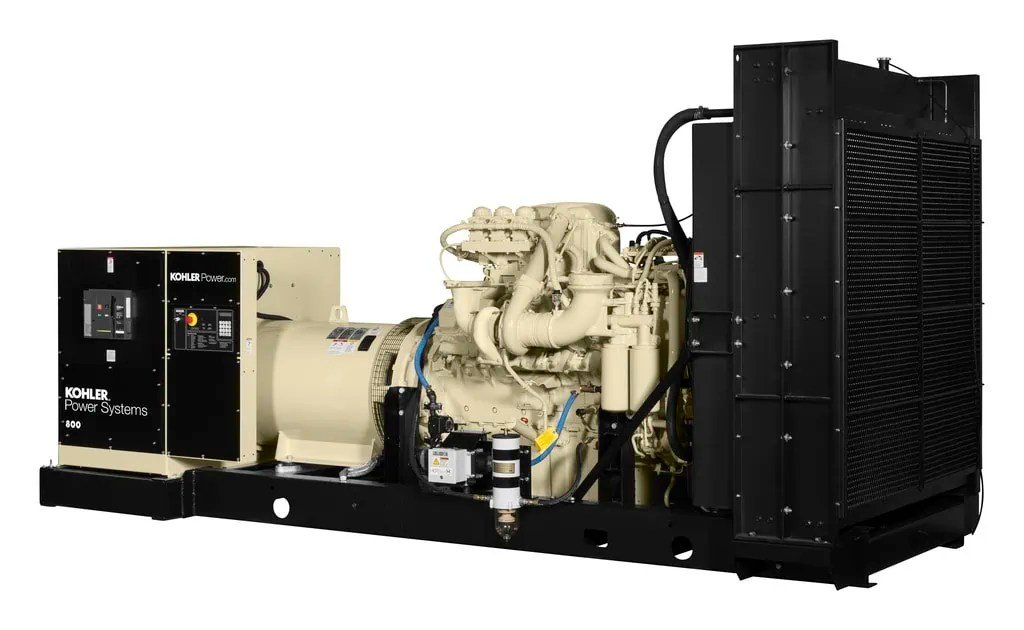
Diesel generators are the titans of emergency and continuous power, revered for their rugged durability and ability to handle heavy loads for extended periods. They burn diesel fuel in an internal combustion engine, a process known for its efficiency and power output.
- How They Work: Diesel fuel is injected into compressed air, which then ignites due to the high temperature of the compression. This combustion drives pistons, turning a crankshaft, which in turn spins the alternator to generate electricity.
- Key Characteristics:
- Durability & Longevity: Built to last, often with longer lifespans than gasoline counterparts.
- Fuel Efficiency: Generally more fuel-efficient per kilowatt-hour, especially under heavy loads.
- High Torque: Excellent at startup and for handling sudden, large load demands.
- Robustness: Designed for prolonged, heavy-duty operation.
- Best For: Hospitals, large industrial facilities, data centers, remote construction sites, agricultural operations, and any application requiring reliable, long-term backup or primary power. Their robustness makes them ideal for critical infrastructure.
- Considerations: Higher upfront cost, can be louder, require regular maintenance, and diesel fuel needs proper storage.
b. Gasoline Generators: The Portable & Popular Choice
Gasoline generators are the go-to for many homeowners and recreational users, prized for their portability, lower upfront cost, and ease of use. They operate on principles similar to diesel, but with gasoline as the fuel. - How They Work: Spark plugs ignite a mixture of gasoline and air within the engine's cylinders, driving pistons that turn the crankshaft and power the alternator.
- Key Characteristics:
- Portability: Typically smaller and lighter than diesel units, making them easy to move.
- Affordability: Generally less expensive to purchase.
- Accessibility: Gasoline is readily available.
- Best For: Residential emergency backup (refrigerators, lights, small appliances), camping, tailgating, outdoor events, and small-scale job sites where temporary power is needed.
- Considerations: Less fuel-efficient than diesel, produce more emissions, shorter run times on a tank, and not designed for continuous heavy use. Gasoline also has a shorter shelf life than diesel.
2. The Renewable Energy Revolutionaries
These generators harness natural forces, offering sustainable and often cleaner alternatives to fossil fuels.
a. Hydroelectric Generators: Power from Flowing Water
A cornerstone of renewable energy, hydroelectric generators convert the kinetic energy of moving water into electricity. They are primarily found in dams or run-of-river systems.
- How They Work: Water flowing through a dam or river channel is directed to spin a turbine. This turbine is connected to a generator, which then produces electricity.
- Key Characteristics:
- Sustainable & Clean: Zero fuel costs and no direct emissions during operation.
- Reliable Baseload Power: Can provide a constant, predictable supply of large amounts of electricity.
- Long Lifespan: Hydroelectric plants are designed for decades of operation.
- Best For: Large-scale grid power generation, regional power supply, and countries with abundant water resources. Smaller micro-hydro systems can power remote homes or communities.
- Considerations: High initial construction costs, significant environmental impact during construction (habitat disruption, river alteration), and dependent on water availability (rainfall, snowmelt).
b. Wind Turbine Generators: Harnessing the Invisible Current
Wind turbine generators capture the kinetic energy of wind to produce electricity, a rapidly growing sector in renewable energy. - How They Work: Wind pushes against the blades of the turbine, causing them to rotate. This rotation turns a shaft connected to a gearbox (in many designs), which speeds up the rotation to drive a generator, producing electricity.
- Key Characteristics:
- Clean Energy: Zero emissions during operation.
- Renewable Resource: Uses an inexhaustible natural resource.
- Scalable: From small residential units to massive offshore wind farms.
- Best For: Grid-scale renewable energy production, reducing carbon footprints, and supplementing power in remote locations.
- Considerations: Output fluctuates with wind availability (intermittency), often requiring energy storage (batteries) or integration with other power sources. Can have visual and noise impacts, and potential impact on bird/bat populations.
c. Solar Generators: Power from the Sun
Solar generators utilize photovoltaic (PV) panels to convert sunlight directly into electricity, often paired with batteries for energy storage and inverters to convert DC to usable AC power. - How They Work: PV cells in the panels absorb photons from sunlight, dislodging electrons and creating an electric current (DC). This DC power charges batteries and/or passes through an inverter to become AC power suitable for appliances.
- Key Characteristics:
- Silent & Clean: Absolutely silent operation with zero emissions.
- Versatile: Ideal for off-grid living, emergency backup, recreational vehicles, and portable power.
- Low Maintenance: Few moving parts.
- Best For: Off-grid homes, RVs, camping, emergency power during blackouts, charging sensitive electronics, and environmentally conscious users.
- Considerations: Output depends on sunlight availability (daytime only, reduced on cloudy days), higher upfront cost for panels and battery banks, and requires sufficient space for panel installation.
3. High-Efficiency & Specialized Generators
Beyond the common fuel and renewable types, several specialized generators cater to specific power demands.
a. Turbine Generators (Steam and Gas): The Industrial Behemoths
Common in large-scale power plants and industrial applications, these generators deliver immense amounts of electricity with high efficiency.
- Steam Turbines: Use expanding high-pressure steam (generated by heating water using various fuel sources like coal, nuclear, or natural gas) to spin a turbine, which then drives a generator.
- Gas Turbines: Combust fuel (natural gas, jet fuel, diesel) directly in a combustion chamber, creating hot, high-pressure gas that spins a turbine and drives a generator.
- Key Characteristics:
- High Efficiency: Especially when integrated into combined cycle technology (using waste heat from gas turbines to generate steam for a steam turbine).
- Massive Output: Capable of producing very large amounts of continuous electricity.
- Reliable: Designed for constant operation in power grids.
- Best For: Utility-scale power generation, large industrial complexes, and ship propulsion.
- Considerations: Complex systems, high capital costs, and fuel source dependency.
b. Portable Generators: Your Power on the Go
As the name suggests, these are compact, transportable units, typically running on gasoline or propane. They are designed for convenience and short-term power needs. - Key Characteristics: Easy to move, relatively affordable, quick setup.
- Best For: Camping, tailgating, powering tools on a job site, emergency home backup for essential items.
- Considerations: Limited power output, can be noisy, require manual refueling.
c. Inverter Generators: Clean Power for Sensitive Tech
Inverter generators represent a significant leap in generator technology, offering cleaner and more stable power output compared to conventional generators. - How They Work: They generate AC power, convert it to DC, and then "invert" it back to clean AC power at the desired voltage and frequency. This multi-step process smooths out power fluctuations.
- Key Characteristics:
- Clean Power (Low THD): Produces sine wave power comparable to utility-supplied electricity, safe for sensitive electronics like laptops, smartphones, and medical equipment.
- Fuel Efficiency: Often feature variable engine speed, allowing the engine to run slower when less power is needed, saving fuel and reducing noise.
- Quiet Operation: Generally much quieter than conventional generators.
- Best For: Powering sensitive electronics, camping, RVs, residential backup where quiet operation is desired.
- Considerations: Higher upfront cost than conventional portable generators, slightly less robust for heavy-duty construction tools.
d. Permanent Magnet Generators: The Efficient Innovators
These generators use permanent magnets instead of electromagnets to generate a magnetic field, which induces current in the stator windings. - How They Work: The rotor, fitted with permanent magnets, spins within the stator (the stationary part with coils of wire). As the magnets pass the coils, they induce an electric current.
- Key Characteristics:
- Increased Efficiency: No electrical power is needed to create the magnetic field, reducing energy loss.
- Compact Design: Can be smaller and lighter for a given power output.
- Simplified Maintenance: Fewer components mean less to go wrong.
- Best For: Wind turbines, hydroelectric systems, and some marine applications where efficiency and compact design are critical.
- Considerations: Higher cost of permanent magnet materials, demagnetization risk at high temperatures.
Choosing Your Power Partner: Generator Selection Criteria
Selecting the right generator isn't a casual decision. It requires a thoughtful assessment of your specific needs, environment, and budget. Here’s a framework to guide your choice:
1. Defining Your Application & Purpose
- Emergency Home Backup: Do you need to power an entire house, or just essential circuits like the refrigerator, a few lights, and a well pump? This dictates size and type.
- Off-Grid Living: For continuous primary power where no grid connection exists, durability, fuel efficiency (or renewable integration), and large fuel storage (or battery banks) are paramount.
- Recreational Use (Camping, RVs): Portability, quiet operation (like inverter generators), and modest power output are key.
- Commercial/Industrial Operations: High power output, reliability under heavy load, robust construction, and specific fuel requirements are non-negotiable.
- Construction Sites: Durability, portability (for smaller sites), and power for heavy tools.
2. Fuel Availability & Environmental Considerations
- Gasoline: Widely available, but volatile and has a limited shelf life. Best for intermittent, short-term use.
- Diesel: Excellent for prolonged use and heavy loads. More stable fuel.
- Propane/Natural Gas: Clean-burning, can be plumbed directly from a utility line (natural gas) for unlimited runtime (standby generators). Propane is storable in tanks.
- Renewable (Solar, Wind, Hydro): Zero emissions during operation, but dependent on natural resources. Consider local regulations and permitting for these systems. If environmental impact is a primary concern, these options are paramount.
3. Budget: Upfront vs. Long-Term Costs
- Initial Purchase: Portable gasoline generators are cheapest, while large industrial diesel or comprehensive solar systems represent significant investments.
- Installation Costs: These can be substantial, especially for standby units requiring electrical panel integration, fuel line installation, and concrete pads.
- Operating Costs: Factor in fuel consumption (gallons per hour, price per gallon), and maintenance schedules. Diesel typically has lower fuel cost per kWh but higher maintenance costs, while natural gas might have higher fuel costs but lower maintenance.
Getting the Size Right: Powering Up Without Overdoing It
This is where many go wrong. An undersized generator won't power your essentials, and an oversized one wastes money and fuel. Proper generator sizing is critical.
1. Assessing Your Power Requirements
- List Essential Appliances: Walk through your home or facility and list every appliance, tool, or system you want the generator to power simultaneously.
- Identify Starting (Surge) vs. Running Watts:
- Running Watts: The continuous power an appliance needs to operate.
- Starting (Surge) Watts: The brief, higher burst of power many motor-driven appliances (refrigerators, air conditioners, power tools) need to start up. This surge can be 2-3 times their running wattage.
- The "Largest Starting Load First" Rule: Calculate the running watts of all appliances you want to run. Then, identify the single appliance with the highest starting wattage. Add that highest starting wattage to the total running wattage of all other appliances. This gives you a safe minimum for your generator's surge capacity.
- Example: Running 2000W of lights/small electronics, plus a refrigerator (600W running, 1800W starting) and a well pump (1000W running, 3000W starting). Your total running load is 3600W. The largest surge is the well pump at 3000W. So, you need a generator with a running capacity of at least 3600W + a surge capacity that can handle an additional 3000W when that pump starts.
- Capacity Buffer: Always add a 20-25% capacity buffer to your calculations. This accounts for future power needs, variations in appliance draw, and ensures the generator isn't constantly running at its absolute maximum, which can shorten its lifespan.
2. Commercial & Industrial Considerations
For commercial or industrial applications, sizing becomes far more complex, often requiring professional electrical engineering. Considerations include:
- Three-Phase Power: Many industrial motors and heavy equipment require three-phase power, which not all generators provide.
- Harmonics: Non-linear loads (like computers, variable frequency drives) can create harmonic distortions, requiring specific generator designs or filters.
- Varying Load Profiles: Industries often have highly fluctuating power demands throughout a day or week. The generator must handle these peaks and valleys efficiently.
- Load Shedding: Planning for which loads can be temporarily disconnected if power demands exceed generator capacity.
- Automatic Transfer Switches (ATS): Essential for seamless transition between utility and generator power without manual intervention. Learn more about how to hook up your generator to your electrical system for safe, automatic operation.
Keeping the Power On: Generator Maintenance Essentials
A generator is an investment that needs care. Regular maintenance is not just about extending its lifespan; it's about guaranteeing it will start and perform reliably when you need it most.
1. Routine Checks & Preventative Measures
- Oil and Filter Changes: Just like a car, internal combustion generators need regular oil changes. Typically, every 50-200 operating hours, depending on the model and oil type. Dirty oil is a leading cause of premature engine wear. Don't forget the oil filter!
- Fuel System Inspection:
- Fuel Level: Always ensure adequate fuel, especially for standby units.
- Fuel Filters: Replace regularly to prevent contaminants from reaching the engine.
- Fuel Lines: Inspect for cracks, leaks, or degradation.
- Fuel Stabilizer: For gasoline generators stored for extended periods, a fuel stabilizer prevents gumming and fuel breakdown.
- Cooling System:
- Fluid Levels: Check coolant levels for liquid-cooled generators.
- Radiator/Air Intakes: Keep clear of debris to ensure proper airflow and prevent overheating.
- Battery Maintenance:
- Voltage: Check battery voltage regularly. A trickle charger can keep it topped off for standby units.
- Connections: Ensure terminals are clean and tight, free of corrosion.
- Charge Status: A weak battery is a common reason a generator fails to start.
- Air Filter: Clean or replace the air filter regularly to ensure the engine gets clean air, optimizing performance and fuel efficiency.
- Spark Plugs (Gasoline): Inspect and replace as needed for optimal ignition.
2. The Importance of Exercise
Standby generators, in particular, benefit immensely from a regular exercise schedule. This typically involves running the generator for 20-30 minutes weekly or bi-weekly, preferably under a light load.
- Why Exercise? It keeps internal components lubricated, circulates fluids, prevents fuel varnish buildup, and ensures the battery stays charged. It also allows the automatic transfer switch (if present) to cycle, verifying its operation.
3. When to Call the Pros
While DIY maintenance covers many basics, certain tasks are best left to certified professionals:
- Load Bank Testing: Periodically testing a generator at its full rated load (or close to it) using a specialized load bank ensures it can handle your actual demands. This is especially crucial for diesel generators to prevent "wet stacking" (unburnt fuel buildup) if they consistently run on light loads.
- Thermographic Scanning: Using infrared cameras to detect hot spots in electrical connections or engine components, identifying potential issues before they become failures.
- Complex Repairs: Any major engine, electrical, or control system repairs should always be handled by factory-trained technicians.
The True Cost of Power: Generator Investment & Operation
Understanding the financial implications of owning a generator goes beyond the sticker price. It involves a holistic view of acquisition, installation, and ongoing operational expenses.
1. Unit Costs: A Broad Spectrum
Generator unit costs vary dramatically based on type, power output, features (e.g., electric start, inverter technology, automatic transfer switch included), and brand.
- Portable Gasoline Generators (1-10 kW): Often range from $500 to $3,000. These are entry-level for emergency or recreational use.
- Small Diesel Electric Start (5-20 kW): Typically $2,000 to $10,000. More robust for light commercial or larger residential backup.
- Standby Natural Gas/Propane (8-150 kW): From $3,500 to $30,000. These are permanently installed, often with automatic transfer switches, designed for whole-home or small business backup.
- Industrial Diesel Generators (20-3000 kW+): A significant investment, ranging from $10,000 to $500,000+. These power critical infrastructure, large commercial buildings, and industrial facilities.
- Commercial Inverter Generators (1-100 kW): $1,500 to $40,000, offering quiet, clean power for sensitive equipment.
- Solar Generator Systems: Highly variable, from a few hundred dollars for small portable units to tens of thousands for a robust off-grid home system (panels, batteries, inverter, charge controller).
2. Installation Costs: The Hidden Variable
Installation costs can significantly add to the total investment, often matching or exceeding the unit cost for larger standby systems. These costs are influenced by:
- Site Preparation: Clearing land, pouring concrete pads, fencing, or building enclosures.
- Electrical Integration: Wiring the generator into your existing electrical panel, installing an automatic transfer switch (ATS), and ensuring compliance with local electrical codes. For residential standby, this can be $3,000-$10,000.
- Fuel Supply: Running natural gas lines, installing large propane tanks, or setting up diesel fuel storage.
- Permitting & Inspections: Local regulations often require permits and inspections for generator installation, especially for permanent units.
- Professional Labor: Skilled electricians, plumbers, and HVAC technicians (for some units) are required.
For complex commercial/industrial systems, installation costs can easily exceed $50,000, depending on scale and complexity.
3. Operating Costs: Fuel & Maintenance
These are the ongoing costs that accumulate over the generator's lifespan.
- Fuel Consumption: This is the largest variable.
- Diesel: Generally more fuel-efficient per kilowatt-hour. Price per gallon varies.
- Natural Gas: Price per therm/cubic foot varies but offers the convenience of an unlimited supply from the utility grid.
- Propane: Price per gallon varies; requires tank refills. Less efficient than diesel.
- Gasoline: Least fuel-efficient for extended use, and prices fluctuate.
- Maintenance:
- Routine: Cost of oil, filters, spark plugs, fuel stabilizers.
- Professional Services: Annual or semi-annual inspections, load bank testing, and potential repairs.
- Parts: Replacing worn components over time.
- Generator exercise: Even when not actively used for power outages, standby units consume fuel during their regular exercise cycles.
When evaluating total cost of ownership, consider the initial outlay, the complexity and cost of installation, and the long-term fuel and maintenance expenses. For continuous or critical applications, the higher upfront cost of a diesel or natural gas standby unit often pays off in reliability and lower per-kilowatt-hour operating costs over time.
Beyond the Basics: Ensuring Your Power System's Success
Choosing and maintaining a generator is a journey, not a destination. To maximize your investment and ensure dependable power, keep these additional points in mind:
- Safety First: Always operate generators in well-ventilated areas to avoid carbon monoxide poisoning. Never run them indoors or in garages. Ensure proper grounding.
- Noise Levels: Consider the noise output (measured in decibels, dB) of your generator, especially if it's for residential use or in a noise-sensitive area. Inverter generators are often much quieter.
- Automatic Transfer Switches (ATS): For standby generators, an ATS is crucial. It senses a power outage and automatically switches your home's power supply from the utility to the generator, then back again when utility power returns. This ensures seamless operation and prevents dangerous backfeeding into the grid.
- Fuel Storage: Plan for safe and compliant fuel storage. Diesel and gasoline require specific containers and precautions. Propane tanks need to be properly secured and regularly inspected.
- Local Regulations: Always check local codes and permitting requirements before installing any generator, particularly permanent standby units. There may be specific rules regarding placement, noise, fuel storage, and electrical connections.
- Warranty & Service: Invest in generators from reputable manufacturers that offer strong warranties and have a readily available service network.
Your Next Step Towards Power Independence
Understanding the nuances of generator types and their applications empowers you to make a choice that truly fits your needs. Whether you're safeguarding your home against the unexpected, seeking sustainable energy, or powering a critical industrial process, there's a generator engineered for the task.
Start by clearly defining your power requirements and budget. Then, delve into the specifics of fuel availability and environmental impact. Don't shy away from consulting with professionals—electricians, generator dealers, and energy consultants can provide invaluable insights tailored to your unique situation.
The goal isn't just to buy a generator; it's to invest in peace of mind, operational continuity, and the reliable power that underpins our modern lives.